The Power of Art Therapy
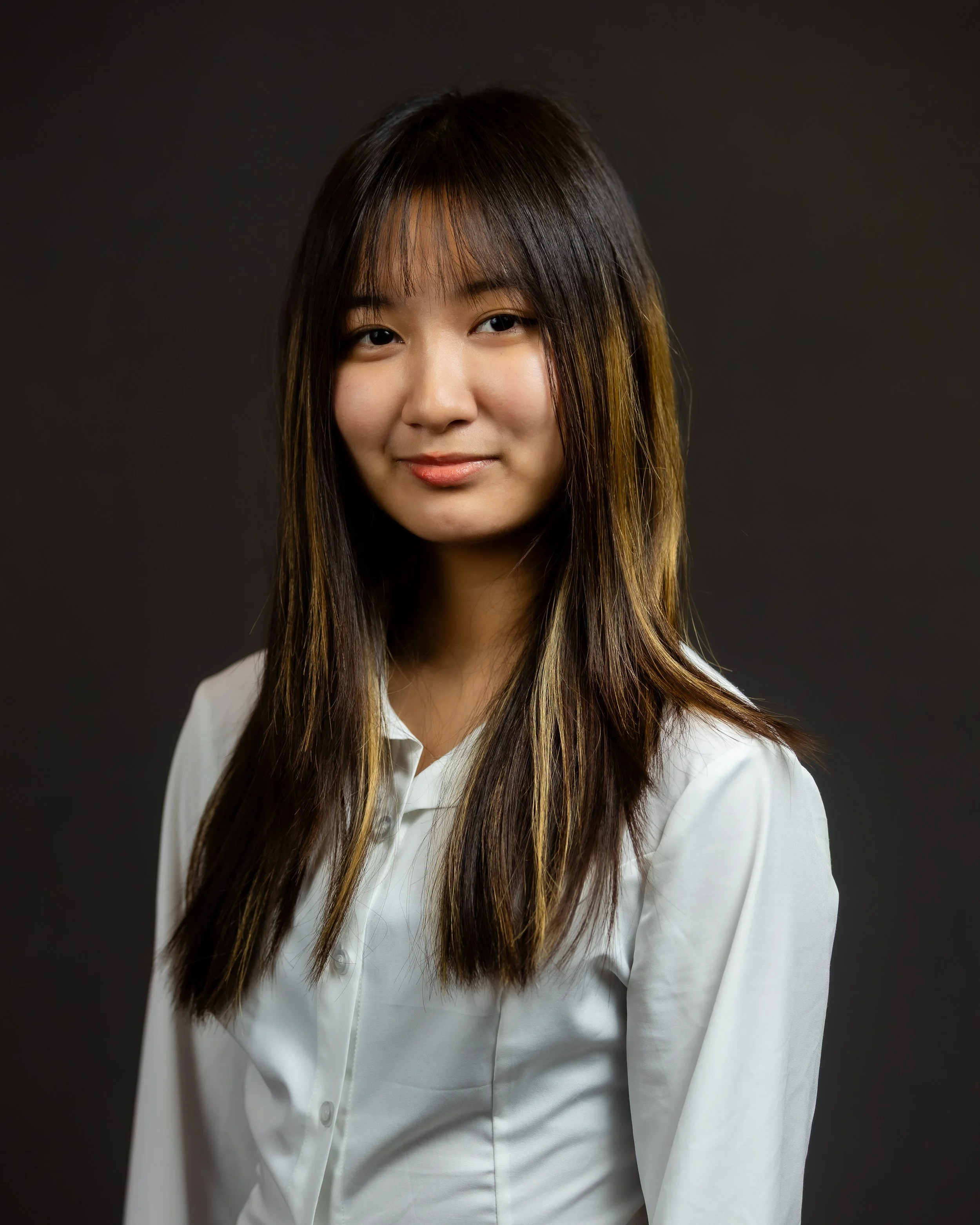
by Addy Zhang, 2025-2026 Student Executive Committee Secretary
February 24th, 2026
Not long ago, my friend invited me to join one of her clubs, where she works with seniors and spends time with them doing art activities. Seeing people in her club so immersed in simple creative activities made it clear to me how powerful art can be as a tool for healing. These moments show the core values of art therapy, which uses creative expression as a way to help people understand and process emotions. Whether through drawing, making collages, or working with clay, the focus is never the final product, but the process of creating it. Art therapy is powerful because it removes the pressure of artistic skill and instead focuses on expression and because of its accessibility.
Art has always been a part of my life, which is why these values resonate with me so deeply. I’ve been drawing for as long as I can remember, and it has become another way I express myself when words don’t feel like enough. Throughout my life, people have constantly told me things like, “I could never draw like you,” or “I’m so bad at art, I’d never try doing it.” And every time, I think the same thing: art isn’t supposed to be about being good. This belief directly connects with the foundation of art therapy: creativity is not only for people with talent. By removing the pressure of skill, art therapy allows anyone to create freely, which is part of what makes it so powerful.
To understand why art therapy is so effective, it helps to look at the common barriers people face with creative expression. Many people feel discouraged when what they imagine in their head does not match what they can create. Art therapy is powerful because it reframes this struggle as part of the process of emotional growth and self-expression. Many musicians and artists deal with this experience, but art therapy teaches that failure is part of the progress. Frustration becomes meaningful because it shows effort and persistence. Even if the result is not what one hoped for, the act of creating can still release stress and support personal growth.
The principles of art therapy are reflected in famous artist Bob Ross’s ideas, emphasizing that art should be comforting and that mistakes are not something to fear. His well-known quote, “There are no mistakes, just happy accidents,” reflects the same values of art therapy. When people don’t feel judged or afraid of doing something wrong, they’re more willing to open up, even if they don’t know how to put those feelings into words. Bob Ross’s approach parallels art therapy: removing the fear of ‘not being good enough’ lets people focus on emotional healing.
Having discussed the values that make art therapy effective, it is important to understand what art therapy actually looks like in practice. During a session of art therapy, a trained art therapist engages clients in meaningful conversations about their challenges and past events, then guides them through visually representing their emotions in art. This collaborative experience allows individuals to explore thoughts and emotions that may be difficult to express with words, leading to a deeper form of reflection and understanding (Albatrosov et al.).
Because art therapy focuses on personal expression rather than skill, it is accessible to anyone, which makes its benefits available to people of all ages and abilities. According to the American Art Therapy Association, art therapy has demonstrated its effectiveness by empowering individuals to feel more in control of their own lives. This impact is evident in relieving anxiety and depression across a wide range of individuals, such as cancer patients or military veterans contending with post-traumatic stress disorder. To put it simply, art therapy works for children, adults, and elders. When words feel heavy or impossible, art gives emotions somewhere else to go. For people with cognitive challenges, art therapy offers another way to express emotions when words aren’t enough.
My own experiences with art reflect the same principles that make art therapy effective. I'm not the greatest at art, but whenever I feel overwhelmed from school, I find myself turning to drawing, doing crafts, or playing music-- not to create something impressive, but to focus my energy on something calming. While drawing, I become absorbed in small details, and while listening to the music I make, my thoughts slow down. These moments allow me to decompress and manage stress, showing how creative expression can be a form of regulating emotions.
Art therapy reminds us that creative expression can be healing, no matter your age, background, or ability. This is what makes art therapy so powerful.
Works Cited
Albatrosov, Natasha Lynn, et al. “What Is Art Therapy? | Psychology.org.” www.psychology.org, 15 Feb. 2022, www.psychology.org/resources/what-is-art-therapy/.
Shukla, Apoorva, et al. “Role of Art Therapy in the Promotion of Mental Health: A Critical Review.” Cureus, vol. 14, no. 8, 15 Aug. 2022, www.ncbi.nlm.nih.gov/pmc/articles/PMC9472646/.
“What Is Art Therapy?” American Art Therapy Association,
arttherapy.org/what-is-art-therapy.